
Lying awake at 3am, watching the clock tick forward, knowing you need to be up in four hours—insomnia affects nearly one in three British adults. A UK Biobank insomnia prevalence study of over 160,000 people in England found that 29% self-reported insomnia symptoms, while only 6% had a formal primary-care diagnosis record. If you want to avoid sleeping pills and explore gentler options, understanding which natural approach suits your specific sleep problem—and what each remedy can realistically achieve—becomes essential before making any purchase online.
This article examines proven natural remedies for insomnia, from everyday sleep hygiene habits to herbal supplements, distinguishing evidence-based recommendations from marketing claims. You will learn how to identify the root causes of your sleep difficulties, match your problem to the most suitable natural approach, and recognise when professional medical advice becomes necessary.
What is the best natural treatment against insomnia?
Direct answer: There is no single « best » natural treatment for insomnia that works for everyone. The most effective approach typically combines consistent sleep hygiene habits—such as regular bedtimes, reduced evening screen time, and a calm bedroom environment—with targeted solutions like herbal remedies or behavioural routines, chosen according to your specific type of sleep problem.
The NHS guidance on insomnia care advises checking with a doctor before taking anything for sleep problems, and recommends seeing a GP if changing sleep habits has not resolved the insomnia. This cautious stance reflects an important reality: natural remedies work best when built on solid behavioural foundations, not used as quick fixes to compensate for poor sleep habits.
Natural approaches to insomnia fall into three main categories. First, sleep hygiene encompasses practical habits like keeping a consistent wake time, limiting caffeine after midday, and creating a dark, quiet bedroom. Second, herbal remedies and plant-based dietary supplements—such as valerian root, passionflower, or chamomile—offer traditional options with varying levels of scientific support. Third, structured behavioural techniques, including relaxation exercises and cognitive strategies, help retrain your body’s sleep response without medication.
If you are exploring dietary supplements as part of a broader strategy, understanding the regulatory landscape helps separate credible products from exaggerated marketing. Options such as a natural treatment against insomnia that combines plant extracts are sold as food supplements in the UK, meaning their efficacy claims rely on traditional use rather than clinical proof. This distinction matters when setting realistic expectations about what any single product can achieve.
What works for someone struggling to fall asleep may differ entirely from what helps another person who wakes repeatedly during the night. Your choice should depend on your specific sleep pattern, how long you have been experiencing problems, and whether other factors—such as stress, shift work, or underlying health conditions—contribute to your insomnia. The sections that follow will help you make that assessment and choose an approach grounded in evidence rather than promises.
Why does insomnia happen and when should you worry?
Understanding why you cannot sleep is the first step towards choosing an effective remedy. Insomnia rarely appears without reason; it typically signals that something in your daily routine, environment, or mental state is disrupting your body’s natural sleep-wake cycle, known as your circadian rhythm.
Common triggers include stress from work or personal relationships, which keeps your mind alert when you need to wind down. Evening exposure to bright screens—phones, tablets, laptops—suppresses melatonin production, the hormone that signals bedtime to your brain. Caffeine consumed after mid-afternoon lingers in your system for hours, blocking adenosine receptors that promote sleepiness. Irregular sleep schedules, especially for shift workers or frequent travellers, confuse your circadian rhythm and make consistent rest difficult.
Physical factors also play a role. A bedroom that is too warm, too bright, or too noisy disrupts sleep continuity. Heavy meals or alcohol close to bedtime may help you feel drowsy initially but often cause fragmented, unrefreshing sleep later in the night. Lack of regular physical activity during the day can leave you physically under-tired, even if you feel mentally exhausted.
Not all insomnia carries the same significance. Short-term or acute insomnia, lasting a few nights or weeks, often follows a specific stressful event—a job deadline, bereavement, or house move—and typically resolves once the situation improves. Chronic insomnia, defined as sleep difficulties occurring at least three nights per week for three months or longer, requires more sustained intervention and sometimes professional assessment.
When to consult a healthcare professional: Seek medical advice if your insomnia persists beyond a few weeks despite consistent sleep hygiene efforts, if it causes significant daytime impairment such as difficulty concentrating or functioning at work, or if you suspect an underlying health condition such as sleep apnoea, chronic pain, or depression may be contributing to your sleep problems.
Certain warning signs should prompt earlier consultation. These include loud snoring with pauses in breathing, which may indicate sleep apnoea; persistent physical discomfort or pain that wakes you; sudden onset of insomnia alongside other unexplained symptoms; or thoughts of self-harm related to sleep deprivation. Natural remedies are not a substitute for diagnosis and treatment of serious sleep disorders or mental health conditions.
For many people experiencing stress-related or habit-driven insomnia, a structured approach combining sleep hygiene improvements with carefully chosen natural remedies offers a reasonable starting point. The next section examines which specific approaches have meaningful evidence behind them and which rely primarily on traditional use or marketing.
Proven natural approaches to sleep better
When evaluating natural remedies, distinguishing between strong scientific evidence, limited preliminary findings, and purely traditional claims helps you make informed decisions and set realistic expectations.
Sleep hygiene: the foundation that costs nothing
Sleep hygiene refers to the set of behavioural and environmental practices that promote consistent, restorative sleep. NHS recommendations emphasise this approach because it addresses common sleep disruptors without requiring supplements or medical intervention.
Effective sleep hygiene habits include maintaining a regular wake time seven days a week, even after a poor night, to stabilise your circadian rhythm. Limiting caffeine to morning hours prevents stimulant effects during the evening. Creating a bedroom environment that is cool (around 16-18°C), dark, and quiet signals to your body that it is time to sleep. Avoiding screens for at least an hour before bed reduces blue light exposure that suppresses melatonin.
Physical activity during the day, particularly in natural daylight, strengthens your sleep drive and reinforces your circadian rhythm, though vigorous exercise close to bedtime may have the opposite effect for some people. Managing stress through structured wind-down routines—reading, gentle stretching, or breathing exercises—helps transition your nervous system from daytime alertness to nighttime rest.
Sleep hygiene forms the bedrock of any natural insomnia strategy. If you skip these basics and rely solely on supplements, you risk masking poor habits rather than resolving the underlying problem.
Herbal remedies: understanding the evidence
Several plants have traditional associations with promoting sleep. Their inclusion in dietary supplements is widespread, yet the strength of evidence varies considerably between them.
Valerian root is perhaps the most studied herbal sleep aid. Some clinical trials suggest modest improvements in sleep quality, particularly for people who use it consistently over several weeks, though results are inconsistent across studies. Valerian appears to work by increasing gamma-aminobutyric acid (GABA) in the brain, a neurotransmitter that promotes relaxation. However, the effect is generally mild, and not everyone responds to it.
Passionflower is traditionally used for anxiety and restlessness. Preliminary research indicates potential calming effects, again possibly through GABA modulation, but high-quality human trials specifically for insomnia remain limited. It may be more helpful for people whose sleep difficulties stem from nighttime anxiety rather than purely physical arousal.
Chamomile, usually consumed as tea, contains apigenin, an antioxidant that binds to certain brain receptors that may promote sleepiness. While chamomile tea is widely regarded as safe and soothing, scientific evidence for strong sleep-inducing effects is modest. Its primary value may lie in the ritual of a warm, caffeine-free beverage as part of an evening routine rather than powerful pharmacological action.
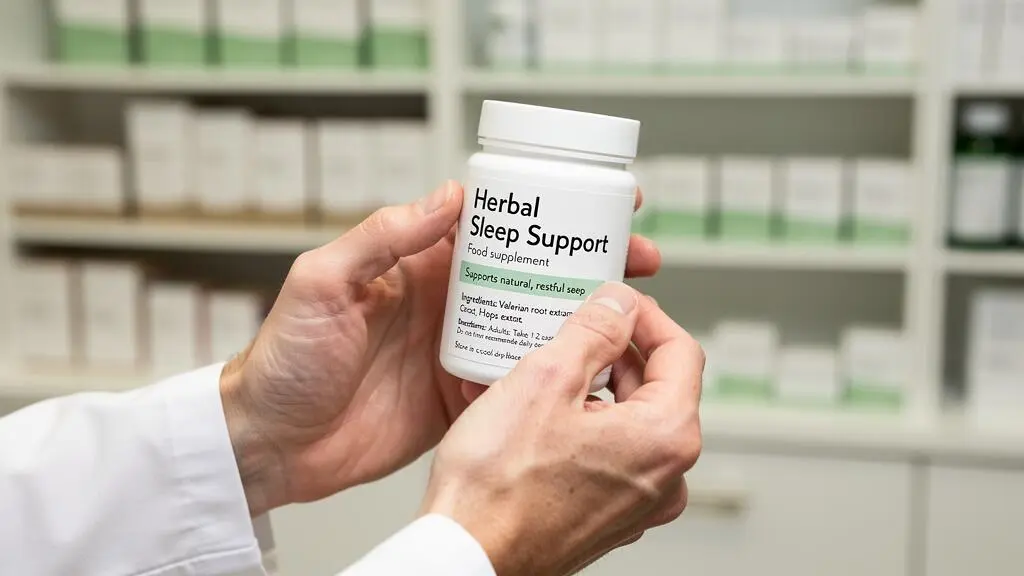
In the UK, herbal remedies making traditional therapeutic claims must obtain a Traditional Herbal Registration (THR) from the MHRA traditional herbal registration scheme, based on documented traditional use rather than clinical proof of efficacy. This regulatory requirement means that a THR mark indicates safety and quality standards have been met, but does not guarantee that the product will work for your insomnia.
Choosing a quality dietary supplement
If you decide to try a plant-based sleep supplement, several criteria help identify products that are more likely to be safe and appropriately formulated.
Look for clear labelling that specifies the exact plant species and the part used (root, leaf, flower), the quantity of each ingredient per dose, and any standardisation to active compounds. Reputable manufacturers provide batch testing information and comply with Good Manufacturing Practice standards. Avoid products making exaggerated claims about curing insomnia or guaranteeing specific results, as these suggest marketing overreach rather than scientific grounding.
Check whether the product carries a THR logo or is registered with relevant UK authorities. Be wary of supplements combining numerous ingredients without clear rationale, as this can make it impossible to identify which component—if any—is responsible for any effect you experience, and increases the risk of interactions.
Consider consulting a pharmacist before purchase, especially if you take other medications, have existing health conditions, or are pregnant or breastfeeding. Even natural substances can interact with prescription drugs or exacerbate certain health problems.
For detailed guidance on evaluating supplement quality and avoiding common pitfalls when purchasing online, a buying supplements guide can provide additional decision-making criteria beyond the scope of this article.
Cognitive behavioural therapy for insomnia (CBT-I)
Although not a herbal remedy, CBT-I deserves mention as the natural approach with the strongest evidence base for treating chronic insomnia. This structured psychological intervention helps you identify and change thoughts and behaviours that interfere with sleep.
CBT-I techniques include stimulus control (using the bed only for sleep), sleep restriction (initially limiting time in bed to match actual sleep time), and cognitive restructuring (addressing anxiety-provoking thoughts about sleep). NHS services increasingly offer CBT-I, sometimes through digital programmes, as a first-line treatment before medication.
While CBT-I requires more effort than swallowing a capsule, its effects tend to be more durable. People who complete a CBT-I programme often maintain improvements long after treatment ends, whereas stopping a supplement typically means any benefit disappears.
How can you build a natural evening routine?
A consistent evening routine signals to your body that sleep is approaching and creates the physiological and psychological conditions that make falling asleep easier. The routine should be sustainable for your lifestyle rather than an exhausting list of rigid rules.
A realistic evening wind-down structure
Begin your wind-down approximately one to two hours before your target bedtime. This might mean starting at 9pm if you aim to sleep by 10:30pm. The exact timing matters less than consistency from night to night.
Dim the lights in your home during this period to encourage melatonin production. Shift from stimulating activities—work emails, intense exercise, dramatic television—to calming ones such as reading a physical book, gentle stretching, or listening to quiet music. If you have tasks to complete, write them in a brief list for tomorrow rather than mentally rehearsing them while trying to sleep.
Prepare your bedroom in advance. Ensure the room temperature is comfortable and cool, draw curtains or blinds to block external light, and silence or remove electronic devices. If external noise is unavoidable, consider earplugs or a white noise machine.

A warm, non-caffeinated drink such as chamomile tea or warm milk can form part of your routine, more for the comforting ritual than any strong pharmacological effect. Avoid alcohol, despite its initial sedative effect, as it fragments sleep later in the night.
If you choose to take a herbal sleep supplement, incorporate it at the same time each evening, typically 30 to 60 minutes before bed, following the product’s instructions. Remember that supplements work best as part of this broader routine, not as a replacement for it.
Common mistakes that sabotage natural remedies
Even when following recommended practices, certain habits undermine your efforts. Inconsistent sleep schedules—sleeping late at weekends to « catch up »—disrupt your circadian rhythm and make Monday night insomnia almost inevitable. Using your bed for work, eating, or watching television weakens the mental association between bed and sleep.
Trying to force sleep by staying in bed while awake and frustrated creates a negative association with your bedroom. If you have not fallen asleep within roughly 20 minutes, get up and do something calming in dim light until you feel sleepy, then return to bed.
Taking herbal supplements erratically or switching products every few days prevents you from assessing whether any single approach is helping. Most natural remedies, if they work for you at all, require consistent use for one to four weeks before effects become noticeable.
Expecting supplements to compensate for poor sleep hygiene—late caffeine, bright screens until bedtime, chaotic sleep schedules—sets you up for disappointment. The foundation must come first.
Natural remedies for insomnia: key takeaways
Choosing a natural approach to insomnia requires balancing realistic expectations with consistent effort. No single remedy works universally, and natural does not automatically mean effective or entirely without risk.
Essential points to remember
- Sleep hygiene habits—regular schedules, reduced evening screen time, a cool dark bedroom—form the foundation of any successful natural strategy and cost nothing to implement.
- Herbal remedies such as valerian, passionflower, and chamomile have varying levels of evidence; they may offer modest benefits for some people but are not miracle cures.
- Dietary supplements sold in the UK are regulated for safety and quality, but efficacy claims often rest on traditional use rather than rigorous clinical proof.
- Natural remedies typically require consistent use for several weeks before you can fairly judge their effect on your sleep.
- Persistent insomnia lasting beyond a few weeks, or insomnia causing significant daytime impairment, warrants consultation with a healthcare professional rather than relying solely on over-the-counter remedies.
Understanding the limits of natural treatments is as important as understanding their potential. Supplements cannot compensate for chronic stress, untreated sleep disorders such as apnoea, or underlying mental health conditions. They work best as part of a broader sleep improvement plan that addresses lifestyle, environment, and behaviour.
If you decide to explore dietary supplements as one element of your strategy, examining the evidence for specific ingredients and checking product quality standards helps you make a safer, more informed choice. Many people find that pairing a well-chosen supplement with disciplined sleep hygiene and stress management techniques yields better results than any single intervention alone.
For those interested in understanding how dietary supplements fit into a broader approach to health and wellbeing, exploring the omega-3 supplement benefits can provide useful context on how different nutrients support overall physiological function, including aspects that indirectly influence sleep quality.
Important health disclaimer: The information in this article is intended for general educational purposes and does not replace personalised medical advice. Always consult a GP or qualified healthcare professional before starting any new supplement, especially if you have existing health conditions, take prescription medications, or are pregnant or breastfeeding. If your insomnia persists beyond a few weeks or significantly affects your daily functioning, seek professional assessment rather than relying solely on self-treatment.
How long do natural sleep remedies take to work?
Are natural sleep remedies safe to use long term?
Can I take herbal sleep supplements with other medications?
What is the difference between a dietary supplement and a medicine for sleep?
When should I see a doctor about insomnia instead of trying natural remedies?
Improving your sleep naturally is rarely a matter of finding one perfect remedy, but rather building a sustainable routine that combines evidence-based habits with realistic expectations. By understanding which approaches have meaningful support, recognising your specific sleep problem, and knowing when to seek professional help, you can make informed decisions that genuinely improve your nights without relying on exaggerated promises or unsafe practices.